
A first snorkel set: what to buy and what to skip

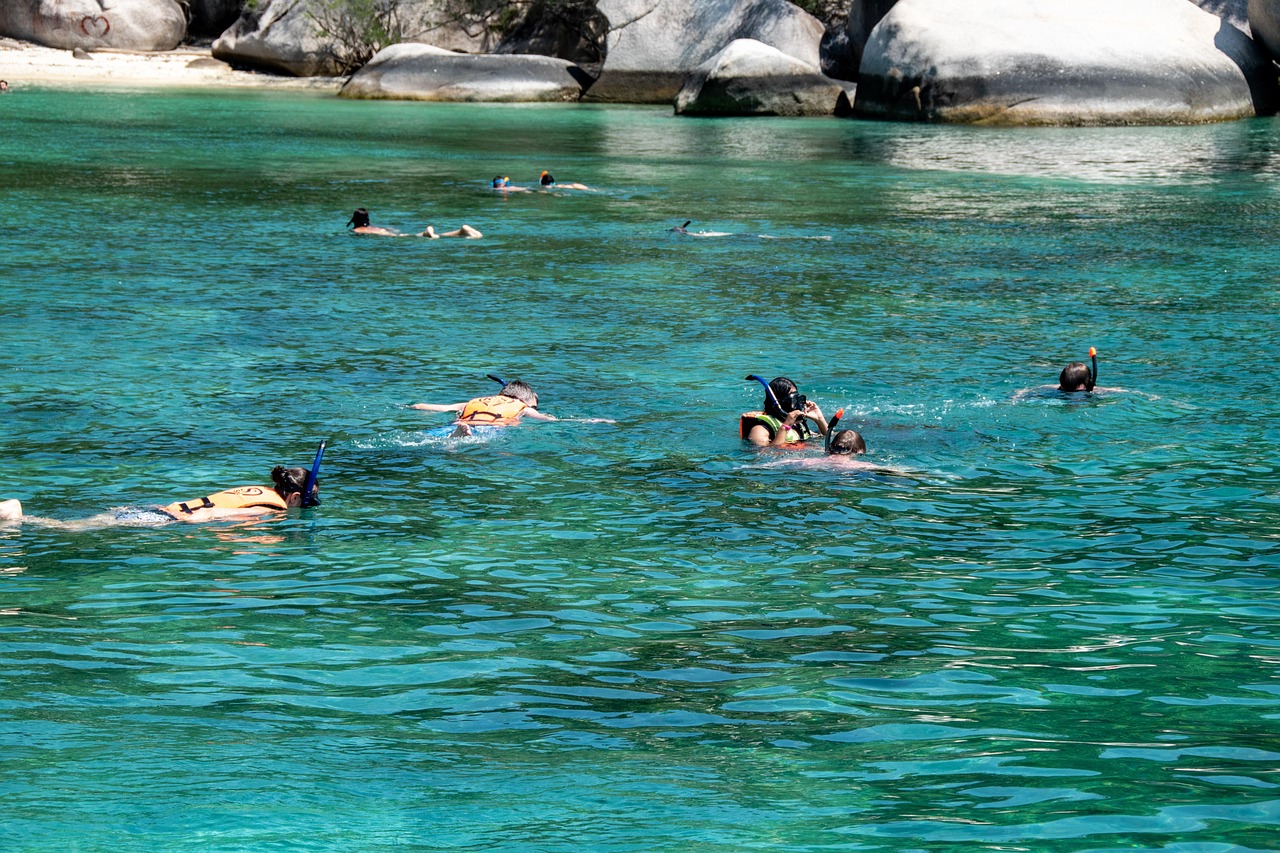
A first snorkel set: what to buy and what to skip
A first set does not need to be expensive, but it does need to be the right shape. The difference between a good first snorkelling experience and giving up after twenty minutes comes down to about three decisions, and only one of them is about money.
The mask is where the money goes
If the budget is limited, put it into the mask. A silicone skirt that fits your face turns a frustrating swim into an easy one, and no other piece of kit has anything like that effect. Everything else in a beginner set can be modest without spoiling the day.
Fit is personal, so try shapes rather than reading reviews. The suction test — mask held on with no strap, gentle inhale through the nose — takes five seconds and tells you more than a specification sheet.
Dry top, semi-dry or plain tube
A dry-top snorkel closes off when a wave passes over it, which for surface snorkelling is genuinely useful and stops the mouthful of seawater that puts beginners off. A semi-dry splash guard is a lighter, cheaper compromise. A plain tube is fine for a pool and irritating in the sea.
A purge valve at the bottom of the barrel is the other feature worth having: it lets you clear water with a single sharp breath instead of a lungful.
Do you need fins on day one
In a calm, shallow, sheltered bay, no. Fins make you faster and much less tired, and in any current they matter a great deal, but they are not what stands between a beginner and a good first swim.
If you buy them, buy short travel fins. They are easier on the ankles, easier to pack, and entirely adequate for surface swimming.
What to skip at first
An underwater camera, a weight belt, a dive computer and a long freediving blade all belong to later stages, if at all. So does a spare mask. Buy them when a specific limitation of what you own is annoying you, not in anticipation of it.
The one small extra worth having from the start is a bottle of reef-safe anti-fog, because a fogged lens ruins a swim more reliably than anything else on this list.
Set or separates
A matched set is simple and usually cheaper. Buying separately is worth it when your face or feet are hard to fit, or when you already know you want a particular mask. Both are reasonable; the set is the better default for a first purchase.
Ours are listed with the individual specifications so you can see whether the mask inside the set is the one you would have chosen anyway.
Children’s sets
Buy a mask shaped for a child’s face rather than a small adult mask, and choose a snorkel with a smaller-bore mouthpiece. A child fighting an oversized mask learns that snorkelling is unpleasant, and that lesson is hard to undo.
Float vests are worth considering for young swimmers; they keep the child at the surface without restricting the view.
Before the first swim
Prepare the new mask by removing its factory film, treat it with anti-fog, and try everything in a pool or shallow water before the trip. Ten minutes of practice breathing through a snorkel with your face in the water removes almost all of the initial awkwardness.
Practise clearing the snorkel and clearing the mask while you can stand up. Both are easy skills that feel alarming the first time in deep water.
What a sensible first set looks like
A silicone mask that passes the suction test, a dry-top snorkel with a purge valve, short travel fins if you are swimming anywhere with movement, and a small bottle of reef-safe anti-fog. That combination handles almost any warm-water snorkelling and does not need replacing when you get better at it. Everything in it is on the shop page, and the counter will happily check the mask fit with you.
What changes if you wear glasses
Contact lenses work under a mask, with the caveat that losing one is easy if the mask floods, so daily disposables are the sensible choice. The alternative is a mask with corrective lenses, available either in fixed dioptre steps or, at more expense, made to a prescription.
Fixed-step lenses are inexpensive and usually close enough for looking at things a few metres away, which is all snorkelling asks of your eyes. Bring your prescription to the counter and we will tell you which step is nearest, and whether a stock corrective mask exists in a shape that fits your face.
The short version
- Spend the money on the mask; it is the part that decides whether you enjoy it.
- A dry-top snorkel is worth it for surface swimming.
- Fins can wait if you are swimming in a calm, shallow bay.
- Skip the underwater camera until you know you will keep going.
From our shelves
- Snorkeling Gear for Adults Kids, Dry-Top Snorkel Mask Set, Anti-Fog Scuba Diving Snorkle mask — $20.68
- Bairuifu Snorkeling Gear for Adults 2-Pack — $21.99
- Seovediary Snorkeling Gear for Adults, Anti-Fog Mask with Dry Top Snorkel — $27.49
Where to go next
Browse the full range on the shop page, read the frequently asked questions before ordering, or check delivery timing on the Shipping Policy page. If you would rather ask a person, contact us — the phone reaches the counter.